Beyond the S&P 500: The 2026 Blueprint for Smarter Diversification
For decades, the standard investing advice was simple: “Buy an S&P 500 index fund and wait.” While that remains a solid foundation, the financial landscape of 2026 demands a more sophisticated approach. Inflationary pressures, rapid technological shifts, and the emergence of new asset classes have changed the rules of engagement. To truly minimize risk and maximize returns today, investors must embrace modern portfolio diversification strategies that look beyond traditional boundaries.
1. The Core-Satellite Approach: Stability Meets Growth
This is the framework for modern investing.
-
The Structure: Your “Core” (60-80% of assets) consists of extremely low-cost, broad-market ETFs (like a total stock market or global stock index). The “Satellite” (20-40%) is where you seek outperformance.
-
The Diversification: Your satellite exposure should be non-correlated to your core. Think thematic ETFs, individual stock picks in emerging sectors, or a small allocation to alternative assets.
2. Thematic Investing: Capitalizing on Long-Term Megatrends
Don’t just invest in “sectors” (like Tech or Healthcare); invest in “themes” that are reshaping the world.
-
The Strategy: Allocate a portion of your satellite portfolio to secular trends.
-
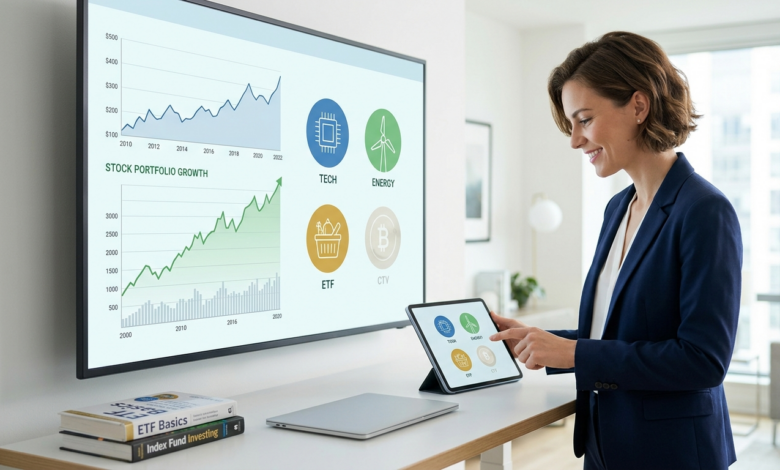
Examples: Instead of just a generic Tech ETF, consider specialized exposure to Artificial Intelligence (AI) Infrastructure, Cybersecurity, Renewable Energy Storage, or Genomics. These areas are expected to grow regardless of short-term economic cycles.
3. Smart Beta and Factor-Based ETFs: Customizing Your Exposure
Passive investing doesn’t mean you can’t be strategic. Factor investing targets specific drivers of return.
-
How it works: Instead of weighting by company size, Smart Beta ETFs weight by factors like Value (undervalued stocks), Quality (financially strong companies), or Low Volatility.
-
The Benefit: This allows you to tilt your portfolio toward attributes that have historically outperformed the broader market over full market cycles.
4. Alternatives: The Crucial Zero-Correlation Element
In 2026, a diversified portfolio must include assets that do not move in sync with the stock market.
-
The Strategy: Allocate 5-15% of your portfolio to alternative assets.
-
Key Options:
-
Private Equity/Venture Capital (via specialized ETFs or platforms): Access to pre-IPO growth.
-
Commodities: A classic inflation hedge.
-
Digital Assets (Crypto): A highly volatile, but highly uncorrelated asset class. Use a very small allocation (1-5%) for asymmetric return potential.
-
5. Dynamic Rebalancing: Keeping Your Diversification Active
Diversification is not a “set-and-forget” task.
-
The Process: If a thematic ETF doubles in value, it may now represent too much of your portfolio’s risk.
-
The Action: Rebalance (sell winners, buy laggards) dynamically—not just on a schedule (like once a year), but when your target allocations drift significantly (e.g., by more than 5%).